
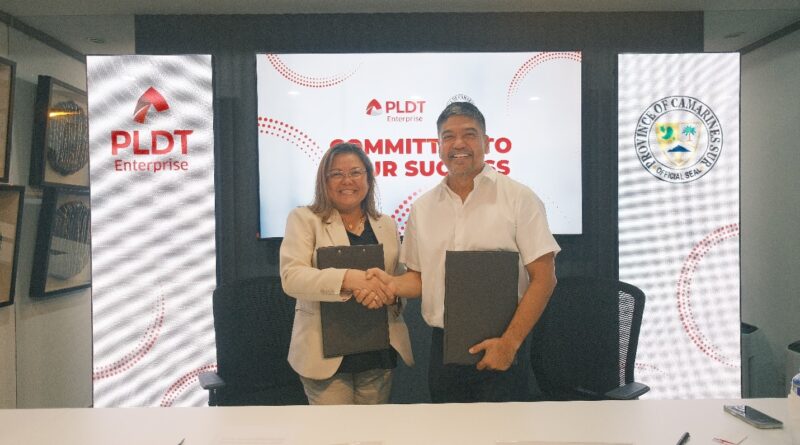
PLDT Starlink Partnership Expands Digital Access in CamSur
PLDT Starlink Partnership Expands Digital Access in CamSur
Starlink in the Provinces: Why It Matters
When we talk about digital transformation, the conversation often centers on Metro Manila or other urban hubs. But the reality is that the real test of technology is how it performs in places where connectivity is scarce. That’s why PLDT Enterprise’s partnership with the Provincial Government of Camarines Sur to deploy Starlink’s Low Earth Orbit (LEO) satellite technology is such a big deal. PLDT Starlink Partnership Expands Digital Access in CamSur.
Starlink’s LEO satellites orbit closer to Earth—around 550 to 1,000 kilometers—compared to traditional geostationary satellites that sit 35,000 kilometers away. The result? Lower latency, faster speeds, and more reliable connections even in geographically isolated areas. For rural communities, this isn’t just about streaming videos faster. It’s about access to education, healthcare, governance, and economic opportunities.

I’ve seen countless initiatives promise “nationwide connectivity,” but many fail to reach the last mile. This partnership feels different because it’s tackling the hardest part first: the underserved.

Bridging the Digital Divide With Starlink
The first real-world test of Starlink in Camarines Sur came during the May 2025 national elections. Remote precincts that previously struggled with weak or nonexistent connections were suddenly able to transmit data securely and reliably. That’s not just a technical win—it’s a democratic one.
Since then, the province has expanded Starlink’s use to education, giving rural schools access to online learning platforms. For students who once had to climb hills just to get a signal, this is transformative. It’s not just about faster internet—it’s about leveling the playing field.
For readers, this means that the same technology powering memes and livestreams in the city is now enabling kids in remote barangays to attend virtual classes, access digital libraries, and even explore coding tutorials. That’s the kind of progress that sticks.
A Decade-Long Partnership, Now Supercharged
PLDT Enterprise’s relationship with Camarines Sur isn’t new. It started over a decade ago with Smart postpaid mobile plans for provincial leaders. Over time, it evolved into a full ICT partnership that now includes:
- PLDT Satellite Internet via Starlink – ensuring reliable connectivity in remote areas.
- Smart 5G Postpaid Plans – keeping officials and departments connected with high-speed mobile data.
- Resilient Cloud Infrastructure – powered by ePLDT and Amazon Web Services (AWS), enabling secure hosting of critical applications.
- Cloud-Based Productivity Tools – through Google Workspace, allowing real-time collaboration and efficient communication across government offices.
This layered approach ensures that Camarines Sur isn’t just connected—it’s digitally equipped to handle governance, education, and social development.
I’ve always said that technology isn’t about the gadget—it’s about the ecosystem. And what PLDT is building here is exactly that: an ecosystem where connectivity, cloud, and collaboration tools work together to create real impact.
Starlink as a Force Multiplier
Starlink isn’t replacing PLDT’s existing infrastructure—it’s complementing it. By integrating satellite connectivity with fixed and wireless networks, PLDT Enterprise is creating a seamless, scalable, and end-to-end digital experience.
This matters because no single technology can solve connectivity challenges alone. Fiber is great, but laying cables across mountains and islands is expensive and time-consuming. Mobile networks are powerful, but they still struggle in areas with low population density. Starlink fills the gaps, ensuring that no community is left behind.
For readers, this means that whether you’re in a city, a coastal town, or a mountain barangay, the chances of having reliable internet just went up. And that’s not just good for Netflix—it’s good for livelihoods, governance, and disaster response.
Beyond Connectivity: Nation-Building With Tech
The integration of Starlink into PLDT Enterprise’s suite of solutions goes beyond provincial operations. It’s also being applied to healthcare, agriculture, disaster response, and academic institutions.
- Healthcare – Rural clinics can now access telemedicine platforms, enabling consultations with specialists in Manila or abroad.
- Agriculture – Farmers can use IoT-enabled tools to monitor crops, access weather forecasts, and connect to digital marketplaces.
- Disaster Response – In a country prone to typhoons and earthquakes, resilient satellite connectivity ensures communication lines stay open when they’re needed most.
- Education – Students in remote schools gain access to the same digital resources as their urban counterparts.
This isn’t just about faster downloads. It’s about building resilience into the very fabric of society.
Aligning With Global Goals
This initiative also aligns with the United Nations Sustainable Development Goals (SDGs), particularly those focused on digital inclusion, economic empowerment, and infrastructure resiliency.
By empowering underserved communities with reliable connectivity, PLDT Enterprise and Camarines Sur are contributing to goals like Quality Education (SDG 4), Decent Work and Economic Growth (SDG 8), and Industry, Innovation, and Infrastructure (SDG 9).
For readers, this means that every time a student logs into an online class or a farmer checks market prices on their phone, they’re not just benefiting individually—they’re part of a larger movement toward inclusive progress.
My Take: Why This Partnership Matters
It’s about impact.
Starlink’s deployment in Camarines Sur is proof that technology can be both cutting-edge and deeply human. It’s not about who has the fastest phone—it’s about who gets to participate in the digital economy, who gets to learn, and who gets to be heard.
For readers, the benefit is clear: resilient connectivity means more opportunities, better services, and stronger communities. Whether you’re a student, a farmer, a healthcare worker, or just someone trying to stay connected, this partnership shows that the future of the internet isn’t just urban—it’s everywhere.
And let’s be honest—if Starlink can keep a voting precinct in the middle of nowhere online during a national election, it can probably handle your next Zoom call without dropping out.
To learn more about PLDT Enterprise’s comprehensive suite of solutions, visit https://bit.ly/pldtenterprise-starlink-partnership-cam-sur-pr
