
Philippine Game Show 2025: Missed Potential and Questionable Sponsors
Philippine Game Show 2025: Missed Potential and Questionable Sponsors
The Promise of a Premiere Gaming Convention
When the announcement for the first-ever Philippine Game Show 2025 dropped, the excitement within the local tech and gaming community was palpable. We have been waiting for this. For years, we have looked with envy at the Tokyo Game Show, Taipei Game Show, and even the Thailand Game Show. We finally had a flagship event that promised to put the Philippines on the global map of interactive entertainment. The marketing materials were glossy, the venue was massive, and the promise was grand: a convergence of technology, esports, and community. I walked into the convention hall with my press badge and a sense of optimism, expecting a celebration of the digital culture that runs deep in Filipino veins. Philippine Game Show 2025: Missed Potential and Questionable Sponsors
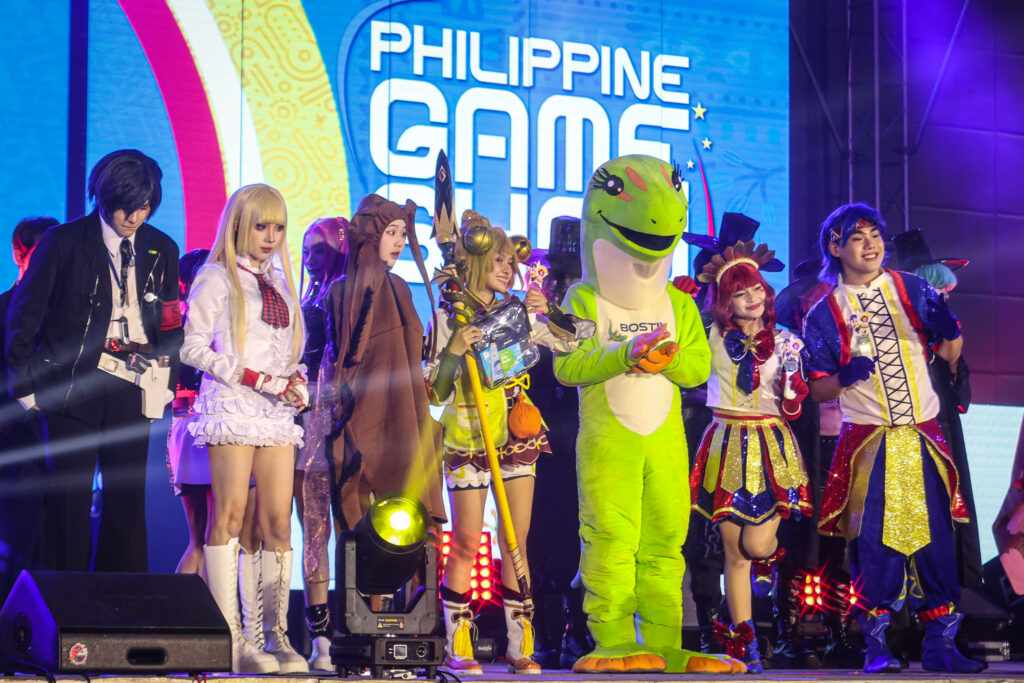
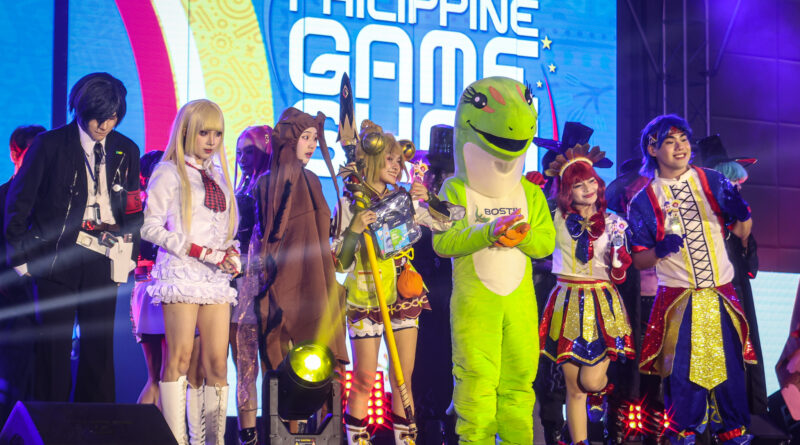
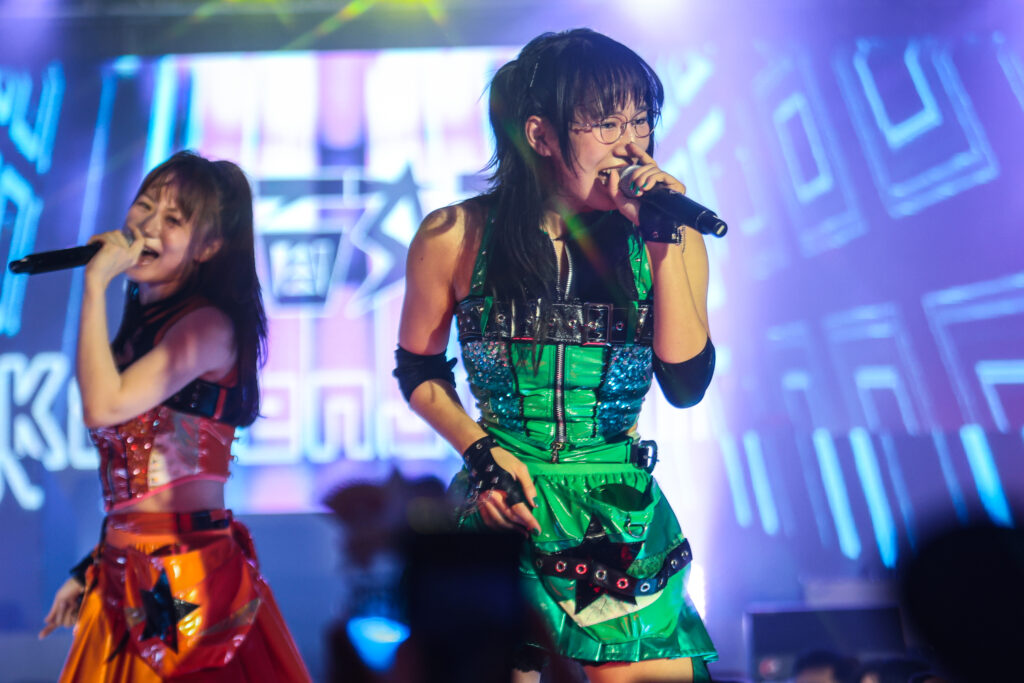
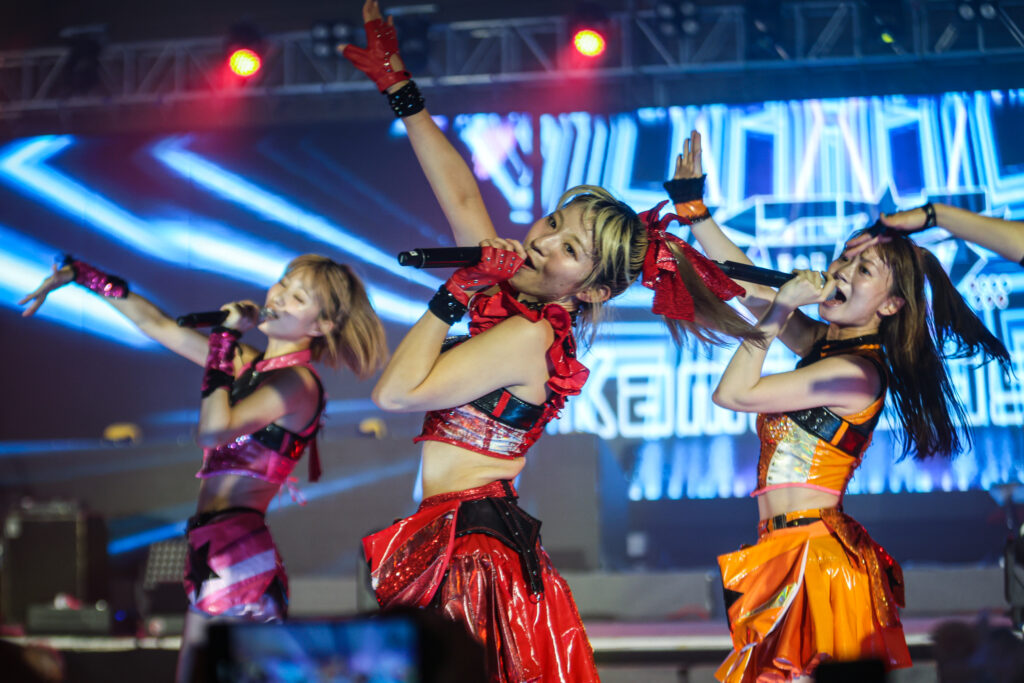
However, as I navigated the exhibition floor, that optimism quickly evaporated, replaced by a confusing mix of disappointment and genuine concern. What was billed as a comprehensive showcase of the gaming industry felt more like a disjointed collection of missed opportunities. The layout was spacious, yes, but only because it was surprisingly empty. The sheer lack of density in content was the first red flag. We were promised a feast, but we were served appetizers and told to be full.
A Ghost Town for Hardware Enthusiasts
As a technology journalist, my primary objective at these events is to see the bleeding edge of hardware. A Game Show is supposed to be the playground for the “PC Master Race” and console wars alike. I expected to see the latest iterations of thermal cooling solutions, the newest OLED monitors with refresh rates that the human eye can barely comprehend, and towering rigs glowing with synchronized RGB lighting. Philippine Game Show 2025: Missed Potential and Questionable Sponsors
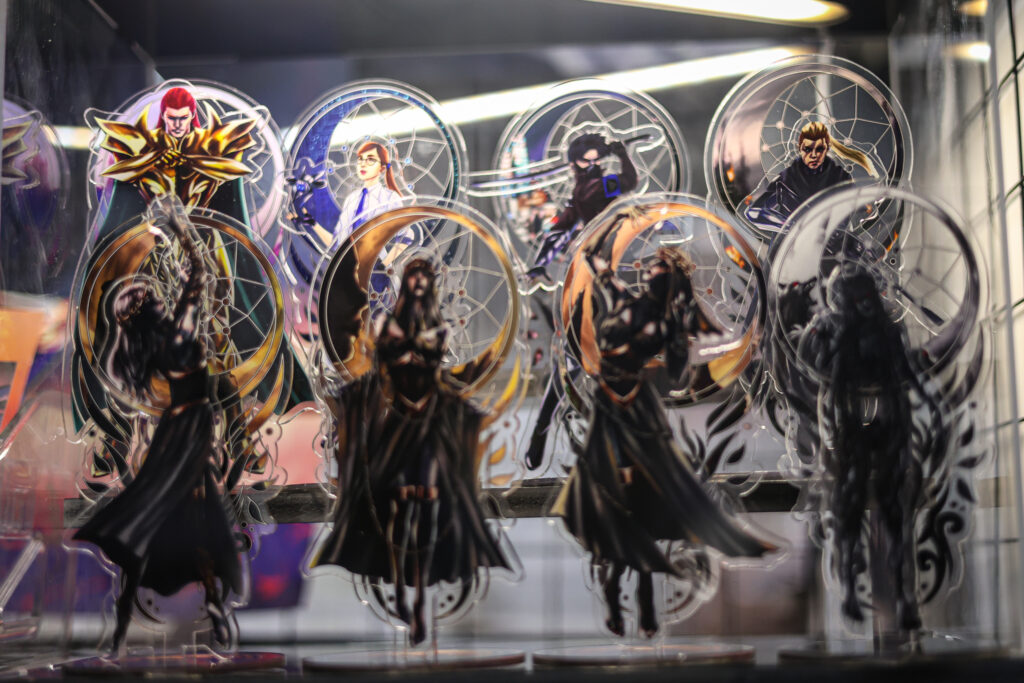
Instead, the usual titans of the industry were noticeably absent. Where was ASUS Republic of Gamers? Where were the sprawling booths of MSI, Lenovo Legion, or Acer Predator? These brands are staples in the Philippine market, yet their absence rendered the “tech” aspect of this tech convention almost non-existent. There were no hands-on demos of the latest GPUs. There were no VR headsets transporting users to other worlds.
We are currently in an era where mobile gaming and PC gaming are converging through handhelds and cloud computing. The technology driving these experiences is fascinating. We should have seen showcases on chipset efficiency, ray-tracing capabilities on mobile, or the latest in haptic feedback accessories. Instead, the floor was devoid of the innovation that drives the industry forward. It felt less like a convention for the future of gaming and more like a generic mall activation that ran out of budget.
The Monotony of the Software Showcase
If the hardware scene was a desert, the software showcase was a monoculture. The Philippines is mobile-first country; we know this. But a “Game Show” implies breadth. The event was dominated almost exclusively by Mobile Legends: Bang Bang, PUBG Mobile, and Tekken. Don’t get me wrong, these are pillars of our local esports community. They deserve space. But they should not constitute the entirety of the space.
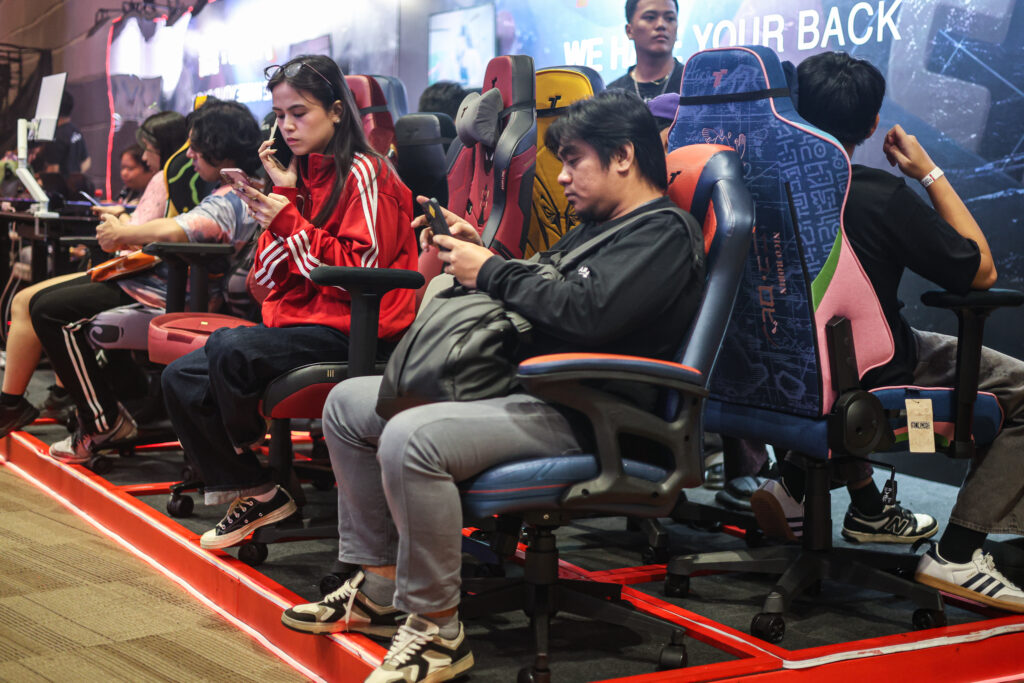
Where were the indie developers? The Philippine game development scene is thriving with talent creating thoughtful, narrative-driven PC and console games. They were nowhere to be found. Where were the Triple-A blockbusters from heavy hitters like Ubisoft, Sony PlayStation, or Nintendo? A convention is a place for discovery. You go there to play games you haven’t touched yet. You go there to see the next big thing.
By limiting the scope to titles that have already saturated the market for five years, the organizers failed to offer anything new. We saw tournaments for games we watch every day. We saw streamers playing games we can watch them play on Twitch from the comfort of our homes. The element of exclusivity, the “I saw it here first” factor, was completely missing. It felt like a wasted potential to broaden the horizons of the Filipino gamer.
The Elephant in the Room: Play Time and The Gambling Dilemma
This brings me to the most glaring, and frankly, disturbing aspect of the Philippine Game Show 2025: the sponsorship of “Play Time.” For those unaware, Play Time is an online gambling platform. Their branding was plastered across banners, lanyards, and main stage assets.
Video gaming conventions are, by nature, youth-centric events. While the demographic of gamers is aging, the primary attendees of these conventions are still teenagers, college students, and even young children accompanied by their parents. I saw kids no older than ten years old lining up for photos with cosplayers, standing directly next to signage promoting online betting.
This is a massive failure in judgment. There is a distinct and dangerous line between “gaming” (esports, RPGs, casual play) and “gambling” (betting real money on chance). Blurring this line in a convention setting is irresponsible. We are trying to legitimize esports as a career path and gaming as a healthy hobby. Allowing a gambling entity to take center stage normalizes a vice to a demographic that is impressionable and vulnerable. It sends a message that betting is an intrinsic part of the gaming lifestyle, which it absolutely should not be. It cheapens the event and alienates parents who might otherwise support their children’s interest in technology.
My Take: A Disconnect from Reality
I have been covering the tech and gaming beat in the Philippines for a long time, and I have seen events grow from small barangay halls to the SMX. My opinion is this: Media Quest, as the lead organizer, seems fundamentally out of touch with what the gaming community actually values.
It feels like the event was organized by a committee looking at spreadsheets rather than by people who actually play games. They looked at the numbers: Mobile Legends has high engagement, gambling has high revenue. Let’s mash them together. That is a corporate strategy, not a community-building one. They misunderstood the soul of a gaming convention. We don’t go just to watch a tournament; we can do that on YouTube. We go for the culture. We go to geek out over mechanical keyboards, to try an indie game made by a student from La Salle, and to argue about which console is better.
When you exclude the hardware manufacturers and the diverse game developers, you strip the event of its legitimacy. When you include a gambling sponsor, you strip the event of its integrity.
As the Editor-in-Chief of TechBeatPh, I look at this event and I don’t see a triumph; I see a warning sign. The Philippine gaming market is sophisticated. We know a cash grab when we see one. This could have been a landmark event that united the fragmented tribes of PC, console, and mobile gamers. Instead, it was a glorified, gambling-sponsored mobile tournament with an entrance fee. An expensive one at that, I don’t mind paying as long as it is worth it, this was not.
The Philippine gaming scene deserves better. We deserve an event that respects the intelligence of its audience and the safety of its minors. We deserve a convention that celebrates the technology behind the games, not just the monetization methods around them. If there is a 2026 iteration, the organizers need to purge the betting sponsors and actually invite the rest of the gaming industry. Until then, this goes down in my book as a massive fumble.
So can we expect a better one next year? Or the better question will there be another one next year?
