
Online Gambling in the Philippines: Addiction in Disguise
Online Gambling in the Philippines: Addiction in Disguise
The Rise of Digital Betting: A Silent Epidemic
Online gambling in the Philippines has quietly evolved from a niche pastime into a full-blown social crisis. What started as a few flashy websites and mobile apps has ballooned into a digital jungle of casinos, betting platforms, and disguised gaming apps—many of which are just one tap away from financial ruin.
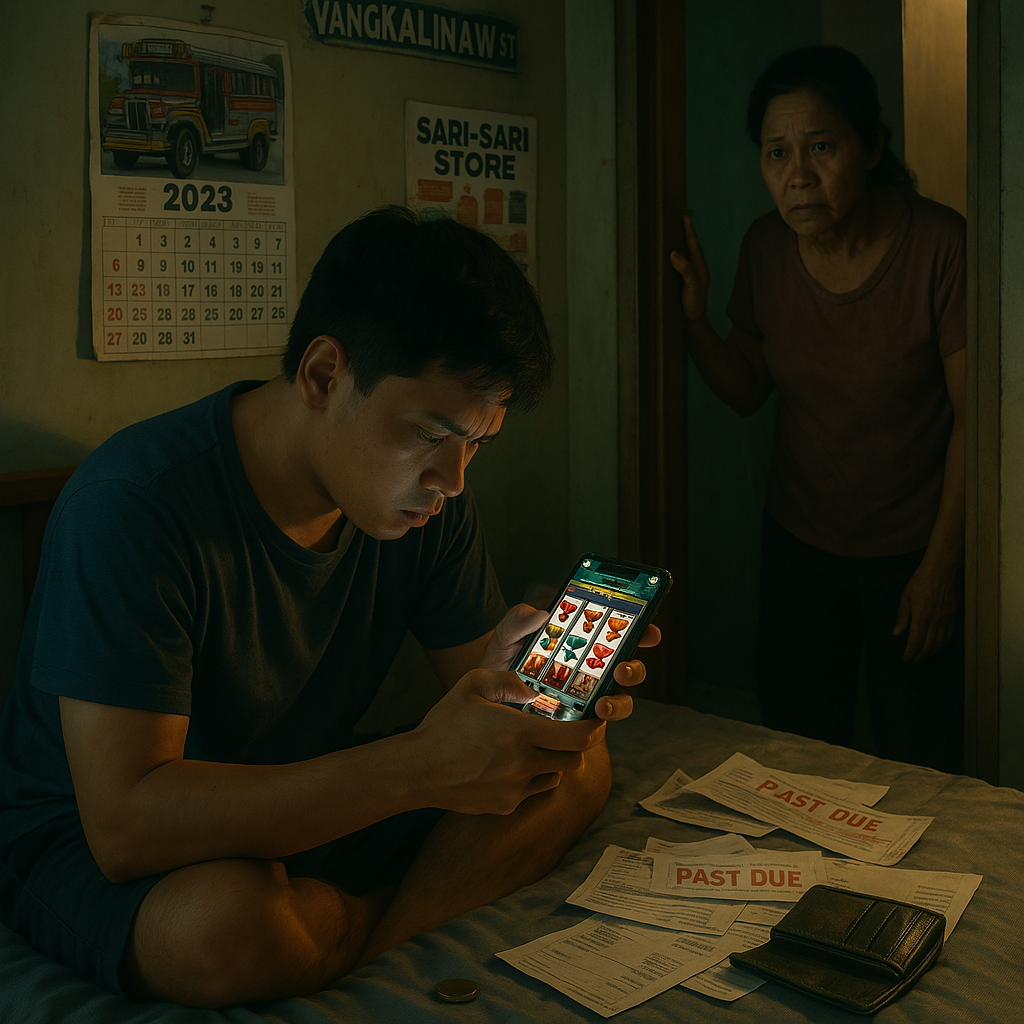
Senator Joseph Victor “JV” Ejercito recently called Online Gambling in the Philippines “a deeper social crisis than POGOs,” warning that the victims are no longer just foreign nationals but Filipino families themselves. Workers, parents, and even children are falling into the trap. And unlike traditional gambling, which required a trip to a casino, today’s addiction fits in your pocket and hides behind innocent-looking icons.

The accessibility is alarming. With mobile apps disguised as games and e-wallets enabling frictionless payments, gambling has become a 24/7 temptation. “With just one tap, anyone can start gambling. There are almost no limits on access,” Ejercito said
The New Face of Addiction: Kids, Groceries, and Midnight Bets
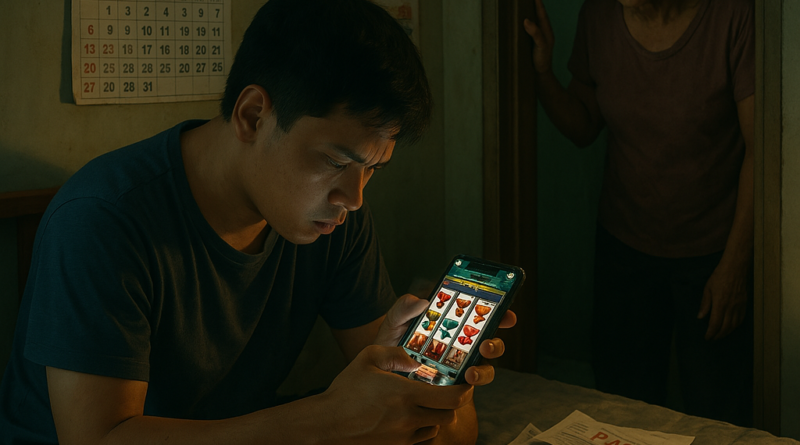
Let’s paint a picture. It’s 2 a.m. A teenager is under the covers, phone in hand, betting away the family’s grocery money on an online casino. No ID checks. No parental controls. Just a dopamine hit and a digital slot machine.
Senator Juan Miguel Zubiri, alarmed by this scenario, filed the Anti-Online Gambling Act of 2025. His bill proposes a total prohibition on online gambling, including mobile apps and websites operated locally or offshore. It’s not just about blocking access—it’s about dismantling the infrastructure that enables addiction.
Under the proposed law, internet service providers (ISPs) and mobile platforms would be required to block gambling sites and remove apps within 72 hours of notice from the Department of Justice or the Philippine Amusement and Gaming Corporation (PAGCOR). Non-compliance? Fines, license suspension, or full revocation.
Even advertisers and influencers promoting online casinos would be held liable. First-time violators could face ₱20 million in fines and six-month suspensions. Repeat offenders? ₱100 million, criminal prosecution, and a permanent ban from operating.
The Role of Technology: Convenience Meets Consequence in Online Gambling in the Country
Technology has made gambling easier, faster, and more addictive. Digital wallets and credit cards allow users to place bets instantly. Algorithms personalize offers, nudging users to “try one more spin.” And social media ads—often featuring influencers—make it look glamorous.
But behind the convenience is a darker reality. According to the Philippine News Agency, illegal online gambling hubs have been discovered operating out of condominiums, with no licenses from PAGCOR. These hubs use sophisticated software and marketing tactics to lure users, often targeting vulnerable demographics.
The National Bureau of Investigation (NBI) has seized devices and paraphernalia from these operations, but enforcement is a game of whack-a-mole. Shut one down, and two more pop up.
Government Response: Regulation or Prohibition?
The Philippine government is now at a crossroads. Should it regulate online gambling or ban it outright?
Senator Sherwin Gatchalian has filed a separate bill seeking stricter regulation, focusing on transparency and accountability. Meanwhile, Ejercito is pushing for a nationwide public education campaign to help communities recognize and resist gambling addiction
One proposal includes allowing families to request the blocking of gambling websites through the National Telecommunications Commission (NTC). Another suggests banning e-wallets as payment channels for betting platforms.
These measures aim to strike a balance—protecting citizens without stifling innovation. But as the crisis deepens, the calls for a total ban are growing louder.
The Human Cost: Broken Homes and Empty Wallets
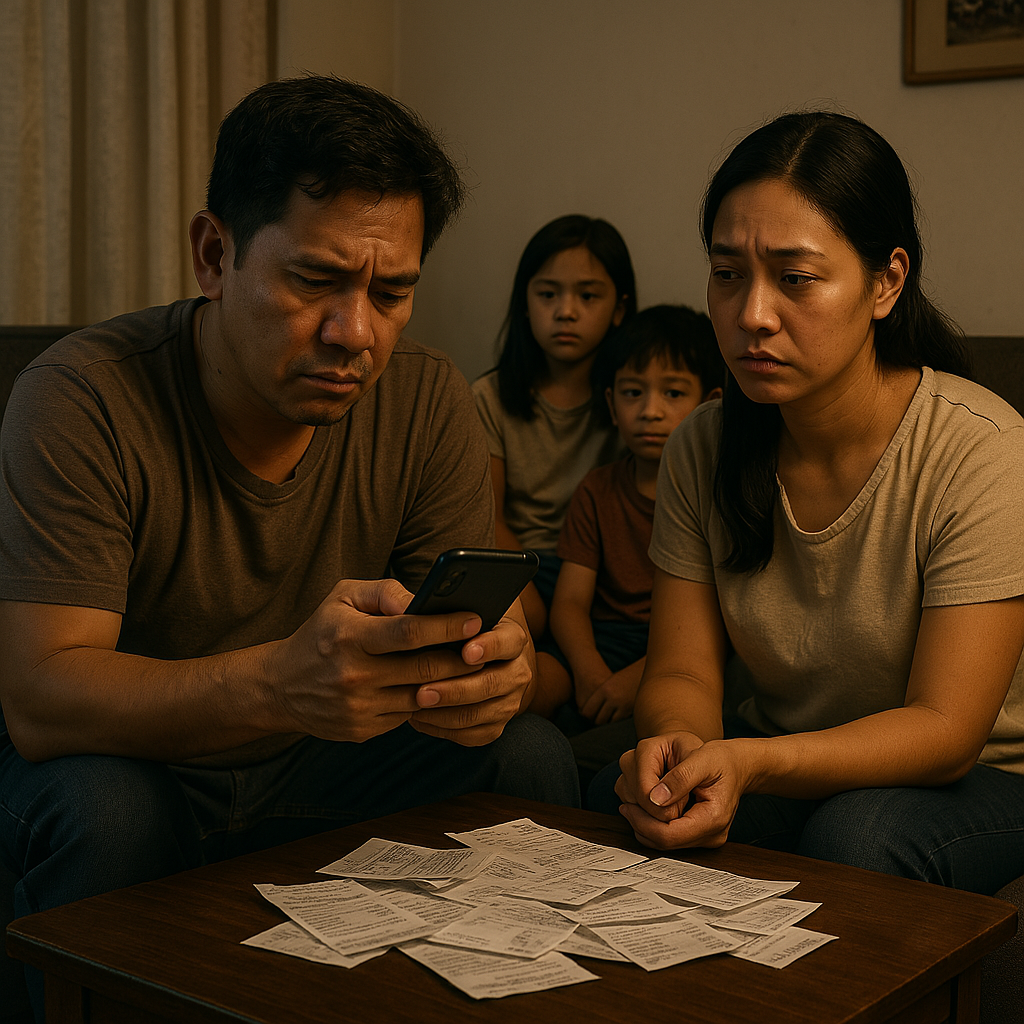
Behind the statistics are real stories. Parents losing their savings. Students dropping out. Workers borrowing money to chase losses. The emotional toll is just as severe as the financial one.
Online gambling doesn’t just drain bank accounts—it erodes trust, damages relationships, and destabilizes households. And because it’s digital, the signs are harder to spot. No casino visits. No betting slips. Just a phone screen and a disappearing balance.
Mental health professionals are now seeing a rise in gambling-related anxiety and depression. But treatment options remain limited, and stigma prevents many from seeking help.
What Can Be Done: Tech, Talk, and Tough Love
Solving the online gambling crisis will require a multi-pronged approach:
- Technology Controls: Mandatory age verification, spending limits, and app restrictions.
- Public Awareness: Campaigns that educate users about the risks and signs of addiction.
- Policy Enforcement: Stronger laws, faster takedowns, and penalties for non-compliance.
- Support Systems: Counseling, helplines, and rehabilitation programs for affected individuals.
And yes, a little tough love. Because sometimes, the best way to protect someone is to take away the thing that’s hurting them.
Final Thoughts: Online Gambling in the Philippines The House Always Wins—Unless We Change the Game
Online gambling in the Philippines isn’t just a tech issue. It’s a social, economic, and moral one. The house may always win, but if we act now—with smart policies, strong enforcement, and community support—we can change the game.
Because in the end, it’s not about banning fun. It’s about protecting futures.
