
Google’s Quantum Echoes: 13,000x Faster and Ready for Reality
Google’s Quantum Echoes: 13,000x Faster and Ready for Reality
A Leap Beyond Supercomputers
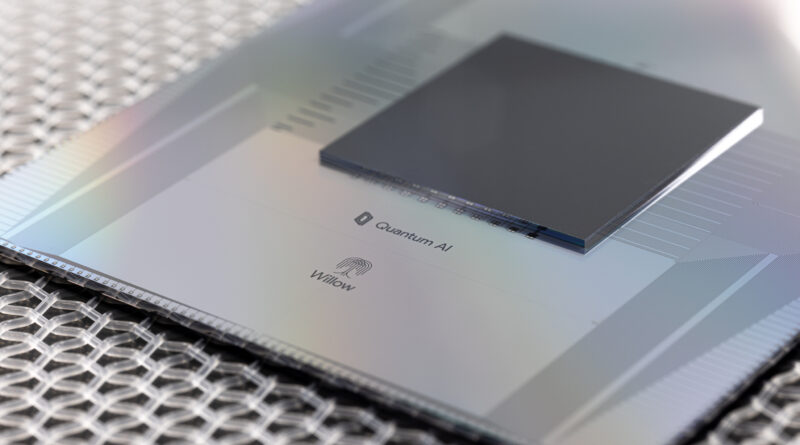
Google Quantum AI has just pulled off something that feels like science fiction. Their new Quantum Echoes algorithm, running on the Willow quantum chip, completed a computational task 13,000 times faster than the best classical supercomputer on Earth. That’s not a typo. Thirteen thousand. Google’s Quantum Echoes: 13,000x Faster and Ready for Reality
This isn’t just another lab demo or a theoretical paper. It’s the first verifiable quantum advantage for a practical problem, meaning the results can be independently confirmed. For years, quantum computing has been accused of being all hype and no delivery. With Quantum Echoes, Google has finally put a stake in the ground.
I’ve followed quantum computing long enough to know that breakthroughs often come with caveats. But this one feels different. It’s not just about speed—it’s about solving problems that classical machines simply can’t handle.
Why 13,000x Faster Actually Matters
Speed alone doesn’t mean much unless it translates into real-world benefits. So what does a 13,000x faster algorithm actually give us? In short: a deeper understanding of the atomic world.
The Quantum Echoes algorithm is designed to simulate the interactions between atoms in real molecules. That might sound abstract, but it’s the foundation of technologies we already use—like Nuclear Magnetic Resonance (NMR), the physics behind MRI scans in hospitals. Google’s Quantum Echoes: 13,000x Faster and Ready for Reality
Classical computers struggle with these calculations because the number of possible atomic interactions grows exponentially. Quantum computers, on the other hand, thrive in this complexity. By simulating molecules with unprecedented accuracy, Quantum Echoes opens the door to:
- Faster Drug Discovery: Instead of years of trial and error in labs, researchers can model drug compounds virtually and predict their effects in days.
- Next-Generation Materials: From lighter airplane alloys to more efficient batteries, quantum simulations can design materials molecule by molecule.
- Personalized Healthcare: By analyzing molecular behavior faster, treatments can be tailored to an individual’s unique biology.
For readers, this means the next life-saving drug, the next leap in renewable energy, or the next medical breakthrough might arrive years earlier than expected.
How Quantum Echoes Works
Quantum algorithms can be intimidating, but here’s a simple analogy. Imagine a molecule as a delicate bell. When struck, it produces countless subtle rings and harmonics. A classical computer tries to calculate every single vibration, but quickly gets overwhelmed.
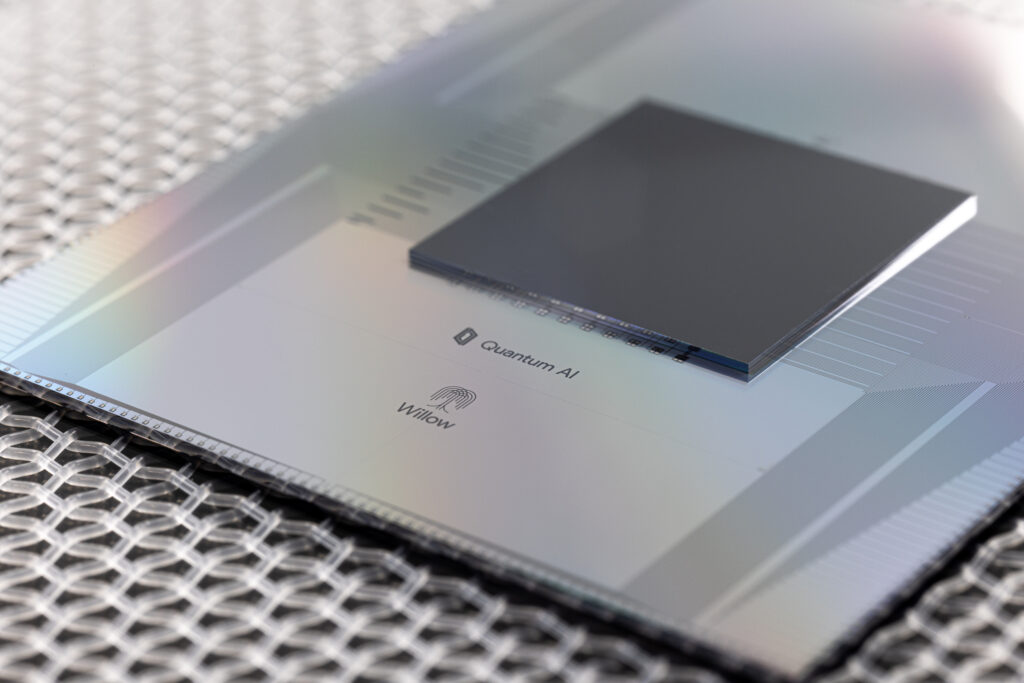
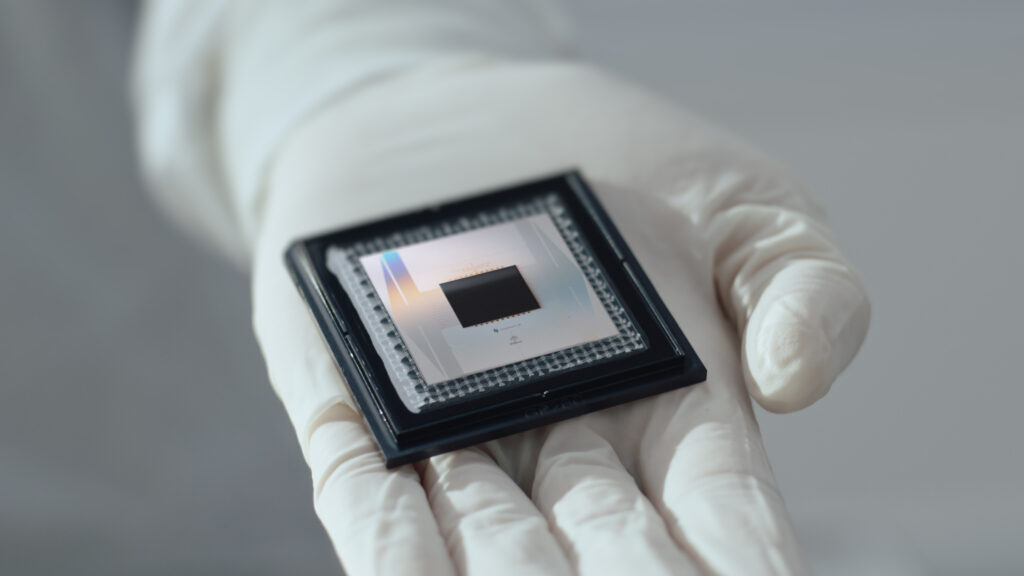
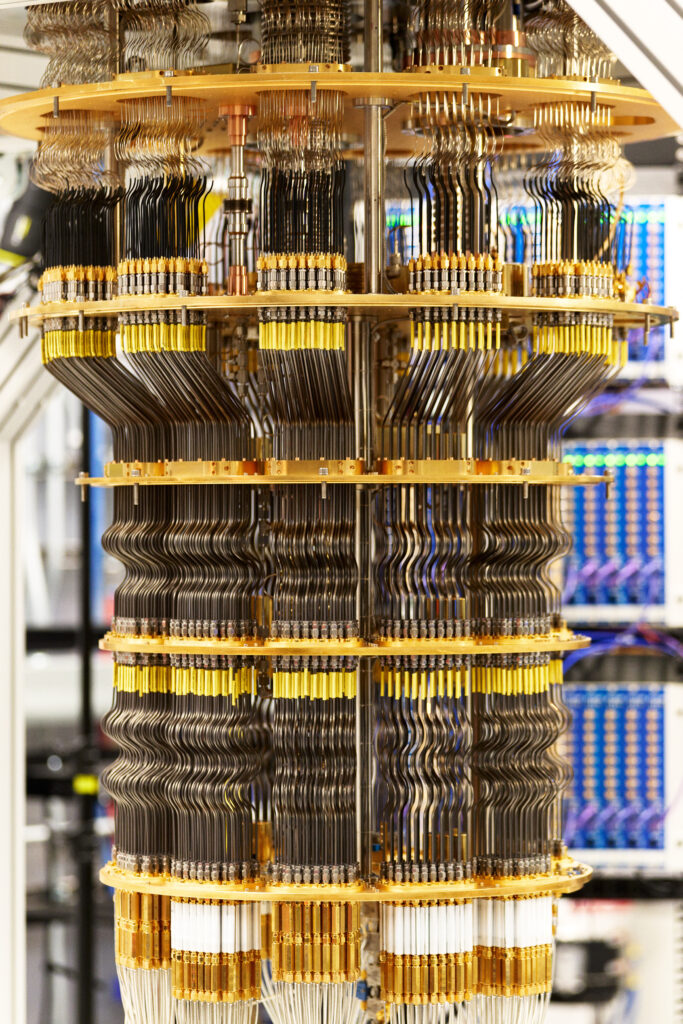
The Willow chip, with its 105 superconducting qubits, is built to handle this complexity. Quantum Echoes works by applying a series of operations to the system and then running them in reverse—like rewinding time. This amplifies a tiny but critical signal hidden in the noise, making it measurable and verifiable. Google’s Quantum Echoes: 13,000x Faster and Ready for Reality
It’s a bit like shouting into a canyon and then rewinding the echo to hear the original sound more clearly. The result is accurate data about molecular interactions that classical machines can’t extract.
The Willow Chip: 105 Qubits of Potential
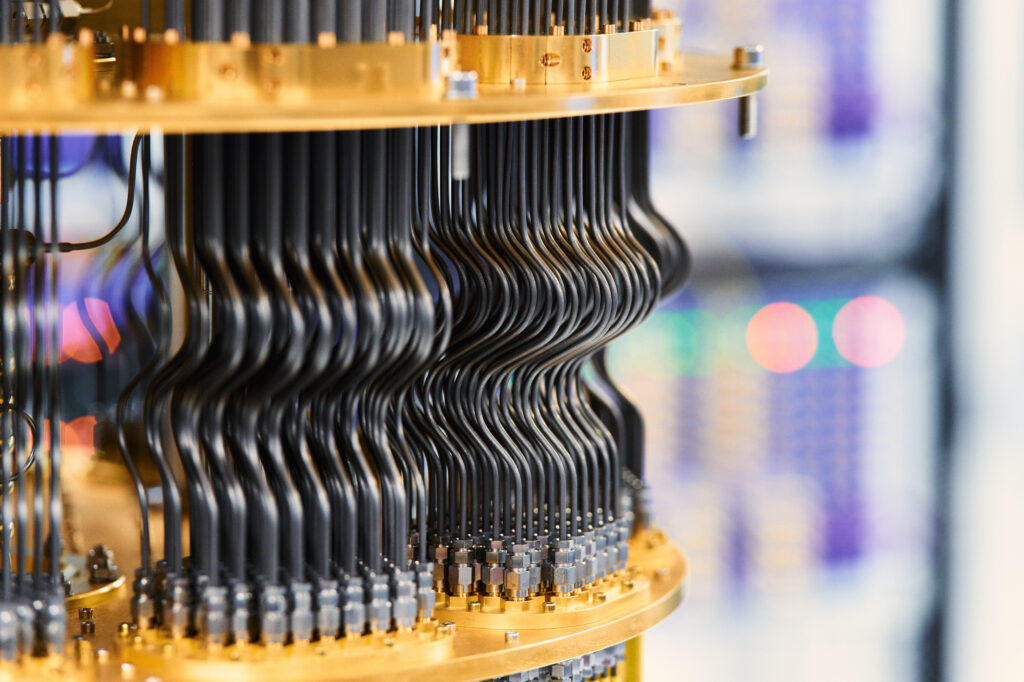
The hardware behind this breakthrough is just as important as the algorithm. The Willow chip uses superconducting qubits, cooled to near absolute zero to minimize noise and error.
What makes Willow special is its ability to run complex algorithms like Quantum Echoes with enough stability to produce verifiable results. This isn’t a toy experiment—it’s a demonstration of hardware and software working together to solve a real scientific problem.
For readers, this means we’re not just talking about theoretical physics anymore. We’re talking about a machine that could, within a few years, start contributing to real-world industries.
My Take: From Hype to Tangible Progress
I’ve been skeptical of quantum computing hype in the past. Too many announcements promised revolutions that never arrived. But this feels like a turning point.
The fact that Google’s team achieved a verifiable quantum advantage for a practical problem is huge. It’s not just about proving that quantum computers can be faster—it’s about proving they can be useful.
For readers, the benefit is clear. This isn’t just about scientists in labs. It’s about the possibility of faster medical breakthroughs, safer materials, and more personalized healthcare. It’s about technology that could touch your life in ways you don’t even realize yet.
And yes, it’s still early days. We’re not going to see a quantum-powered smartphone anytime soon. But the path to fault-tolerant, large-scale quantum computers is clearer now than it has ever been.
The Road Ahead: Five Years to Real Applications
Google’s roadmap is ambitious. They aim to achieve useful real-world applications within five years. That means moving from demonstrations like Quantum Echoes to quantum computers that can consistently solve problems classical machines can’t.
The challenges are still significant. Error correction, scaling qubits, and maintaining stability are all hurdles. But with Willow proving that verifiable quantum advantage is possible, the momentum is undeniable.
For readers, this means the next half-decade could bring breakthroughs in industries as diverse as medicine, energy, and manufacturing. The ripple effects could be enormous.
Why This Breakthrough Benefits Everyone
It’s easy to think of quantum computing as something reserved for scientists and researchers. But the truth is, its impact will be felt everywhere.
- Healthcare: Faster drug discovery means treatments for diseases could arrive sooner. Personalized medicine could become the norm.
- Energy: Better battery materials could accelerate the shift to renewable energy.
- Manufacturing: Stronger, lighter materials could make everything from cars to airplanes safer and more efficient.
- Everyday Life: Even if you never touch a quantum computer, the products and services you use will be shaped by its discoveries.
For readers, this means quantum computing isn’t just a buzzword. It’s a technology that could improve your health, your environment, and even your daily commute.
The Humor in Complexity
Of course, quantum computing still has its quirks. Explaining qubits and algorithms often feels like explaining magic tricks with math. And yes, the idea of “reversing time” on a chip sounds like something out of a sci-fi movie.
But that’s part of the charm. Quantum computing is one of the few fields where the science is as fascinating as the potential applications. It’s a reminder that technology can still surprise us, even in an age where we think we’ve seen it all.
The Bigger Picture: Quantum as the Next Frontier
The Quantum Echoes breakthrough is more than just a milestone for Google. It’s a milestone for the entire field of quantum computing. It proves that quantum advantage isn’t just theoretical—it’s achievable, measurable, and useful.
For readers, this means the future of technology is about to get even more exciting. We’re moving from faster phones and sharper cameras to machines that can literally reshape our understanding of the universe.
And if that doesn’t make you curious about what’s next, I don’t know what will.
