
YouTube Shopping Turns Creators Into Commerce Catalysts
YouTube Shopping Turns Creators Into Commerce Catalysts
The Rise of Video Commerce in the Philippines
If you thought YouTube was just for mukbangs, prank wars, and K-drama recaps, think again. The platform has quietly evolved into a full-blown shopping mall—and in the Philippines, it’s booming. Since its launch in April 2025, YouTube Shopping has become the new playground for creators and brands alike. And no, this isn’t your tita’s online bazaar. YouTube Shopping Turns Creators Into Commerce Catalysts
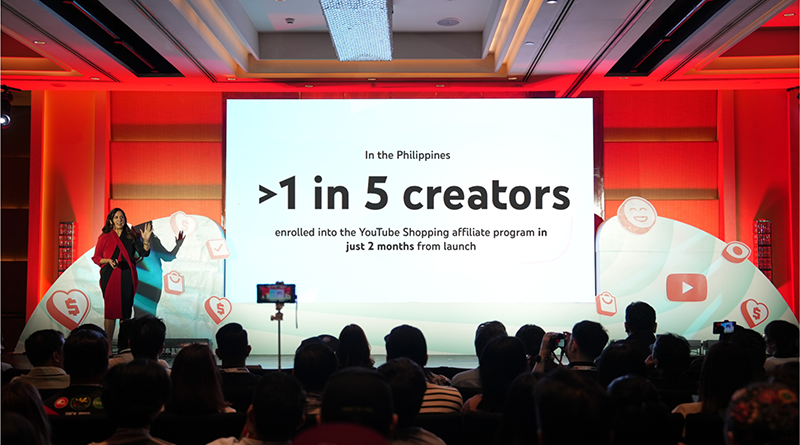
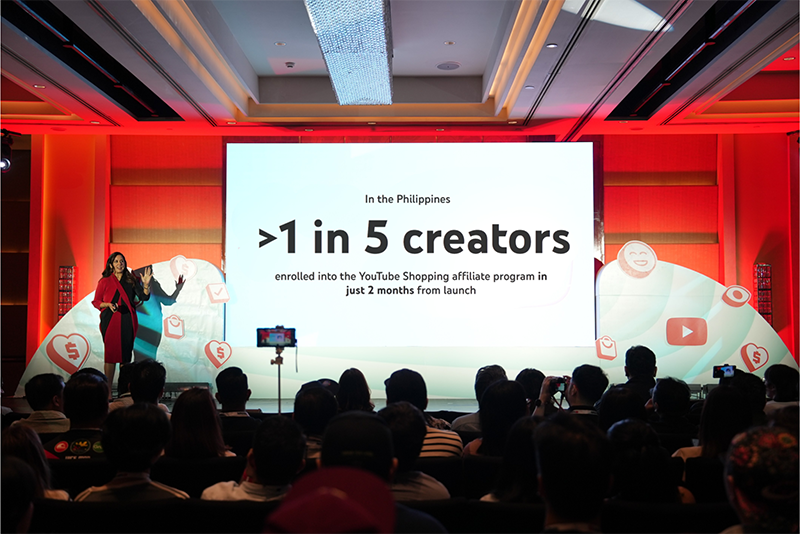
In just two months, over 20% of eligible Filipino creators have jumped on the YouTube Shopping affiliate train. That’s one in five creators now earning from tagged products, turning their content into cash registers. The Philippines, now the sixth global market to adopt this feature, is proving it’s not just tech-savvy—it’s commerce-hungry.
Shopee + YouTube: A Match Made in Algorithm Heaven
Let’s talk about the power couple behind this retail renaissance: Shopee and YouTube. Their joint initiative has already tagged over 550,000 products across 240,000 videos. That’s not just impressive—it’s borderline obsessive. But in a good way.
Shopee’s Head of Commercial, Jack Ng, summed it up best: “YouTube has become a valuable partner in shaping how Filipinos shop.” Translation: creators are now the new salespeople, and their videos are the new storefronts. And unlike mall sales reps, these creators come with fanbases, relatability, and a knack for storytelling.
Creators as Culture Shapers—and Now, Revenue Makers
Filipino creators aren’t just influencers anymore. They’re entrepreneurs, tastemakers, and trusted advisors. According to an Ipsos survey, local users are 98% more likely to trust YouTube creators than any other social platform. That’s not just brand loyalty—it’s creator credibility.
Take Kristian PH, for example. By integrating YouTube Shopping into his content, he’s turned product reviews into purchase-ready experiences. Viewers don’t just watch—they click, buy, and come back for more. It’s the kind of seamless commerce that makes traditional ads look like relics from the dial-up era.
New Features That Actually Make Sense
YouTube didn’t just slap a shopping cart icon on videos and call it a day. They listened to creators (a rare move in tech, let’s be honest) and rolled out features that actually work:
- Stickers on Shorts: Think of these as visual pop-ups that scream “Buy me!” without being annoying.
- Timestamps: Products appear exactly when they’re mentioned. No more hunting through the video like it’s a digital scavenger hunt.
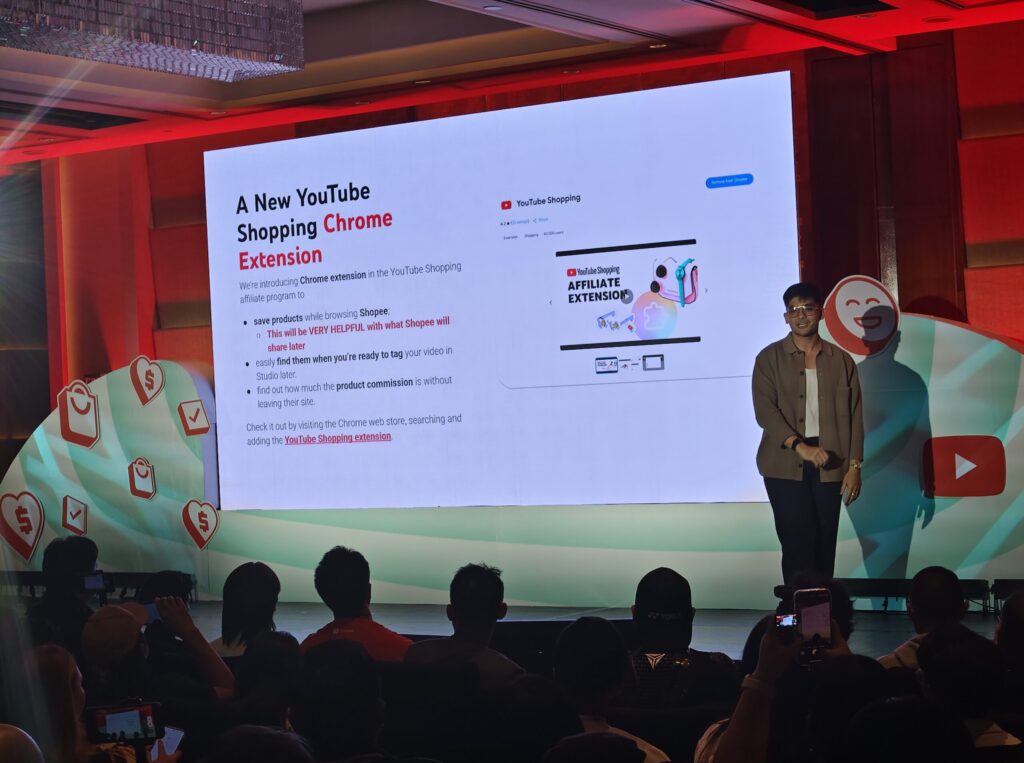
- Chrome Extension: Creators can now save Shopee products and tag them later. It’s like bookmarking, but with monetization.
These tools aren’t just bells and whistles—they’re the gears behind the machine. And they’re making content-driven commerce smoother than a freshly unboxed flagship phone.
YouTube’s Cultural Stronghold in the Philippines
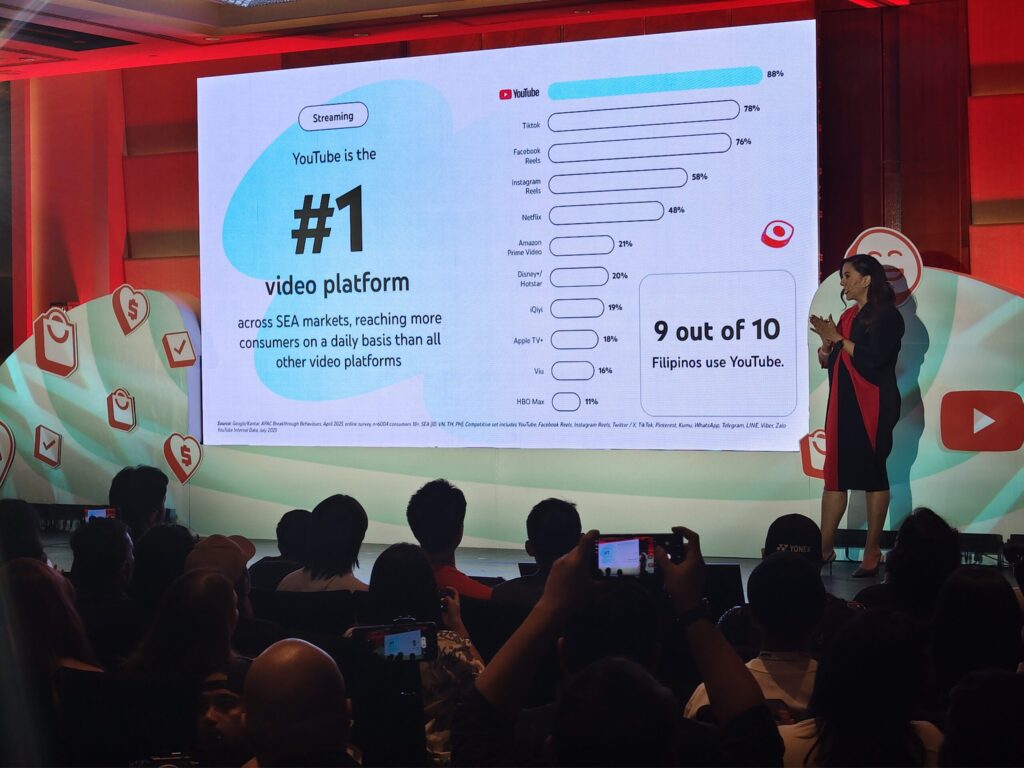
YouTube isn’t just a platform here—it’s a cultural institution. From Pinoy Big Brother to Batang Quiapo, from PBA highlights to trending vlogs, it’s where Filipinos go to feel seen, heard, and entertained. And now, it’s where they shop.
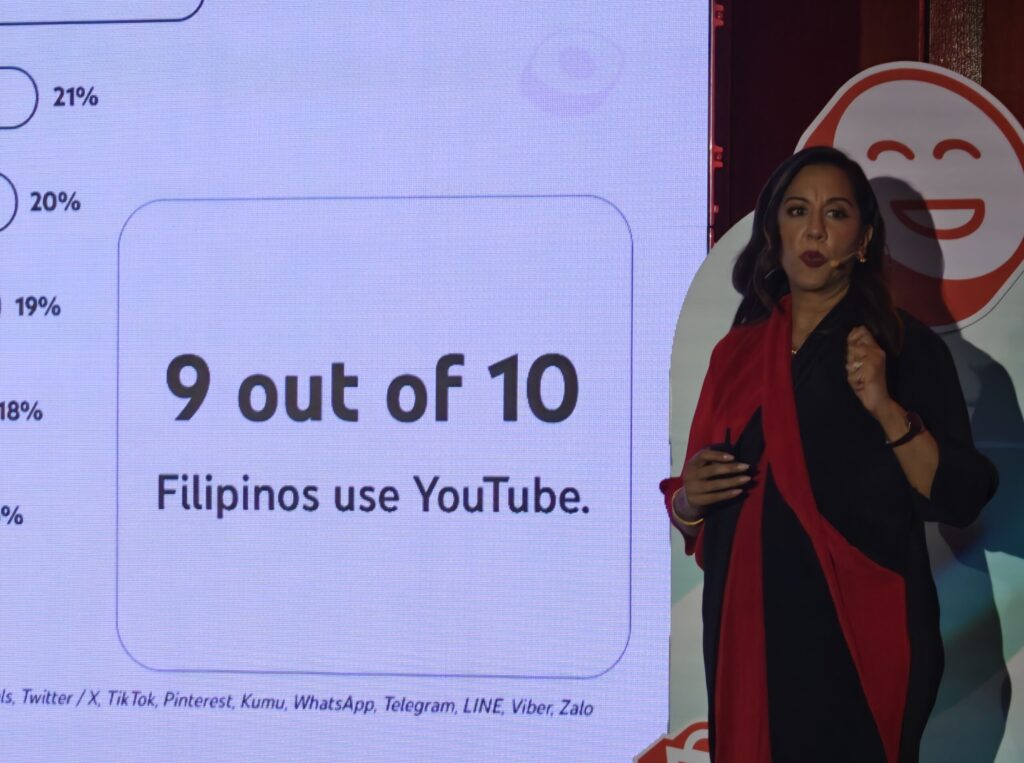
With over 93% of the online population aged 18+ tuning in, YouTube has the kind of reach that brands dream about. It’s not just about eyeballs—it’s about engagement. And when creators recommend a product, people listen. Then they buy. Then they tell their friends. It’s the kind of organic growth that marketing teams would sell their ring lights for.
The Bigger Picture: Commerce Meets Community
Sapna Chadha, Google’s VP for Southeast Asia and South Asia Frontier, nailed it: “We only succeed when our creators do.” That’s not just a feel-good quote—it’s a business strategy. YouTube is betting big on creator-led commerce, and the early numbers suggest they’re onto something.
Video commerce now makes up 20% of all e-commerce in Southeast Asia. That’s not a trend—it’s a tectonic shift. And the Philippines is riding the wave with style, substance, and a whole lot of shopping carts.
YouTube isn’t done. The platform is continuously innovating, adding new formats, deeper brand collaborations, and more monetization options. The goal? Make shopping on YouTube as natural as binge-watching a gadget review at 2 a.m. (We’ve all been there.)
For creators, this means more ways to earn. For brands, it means more ways to connect. And for viewers, it means more reasons to stay glued to the screen—with their wallets open.
